JESUS CHRIST >> RESURRECTION & ASCENSION
SDAH 166
Christ the Lord is risen today, Alleluia!
Sons of man and angels say, Alleluia!
Raise your joys and triumphs high, Alleluia!
Sing, ye heavens, and earth reply, Alleluia!
This hymn appears in:

Get the hymn sheet in other keys here
For Worship Leaders
Make each hymn more meaningful with these helpful tools: Short, ready-to-use hymn introductions for church bulletins, multiple ways to introduce a hymn based on your worship theme and in-depth history and insights to enrich your song service.
Hymn Spotlight: Christ the Lord Is Risen Today
Written by Charles Wesley and first published in 1739, this triumphant hymn celebrates the resurrection of Jesus Christ. Originally 11 stanzas without “Alleluias,” the exclamations were added later and became a hallmark of Easter worship. With its joyful repetition and theological depth, the hymn proclaims victory over death and the promise of eternal life. The tune, known as EASTER HYMN (or WORGAN), was first printed in 1708. Its bright melody and rising lines mirror the joy of resurrection morning. Though mistakenly attributed to Dr. J. Worgan, it remains one of the most beloved Easter tunes in Christian hymnody. This hymn invites us to join the heavenly chorus in celebrating our risen Lord. Let every “Alleluia” resound with gratitude and hope!
📖 Reference: Feel free to share but please cite hymnsforworship.org when reproducing.
Introductions for Sabbath School Song Service (based on specific lesson quarterlies):
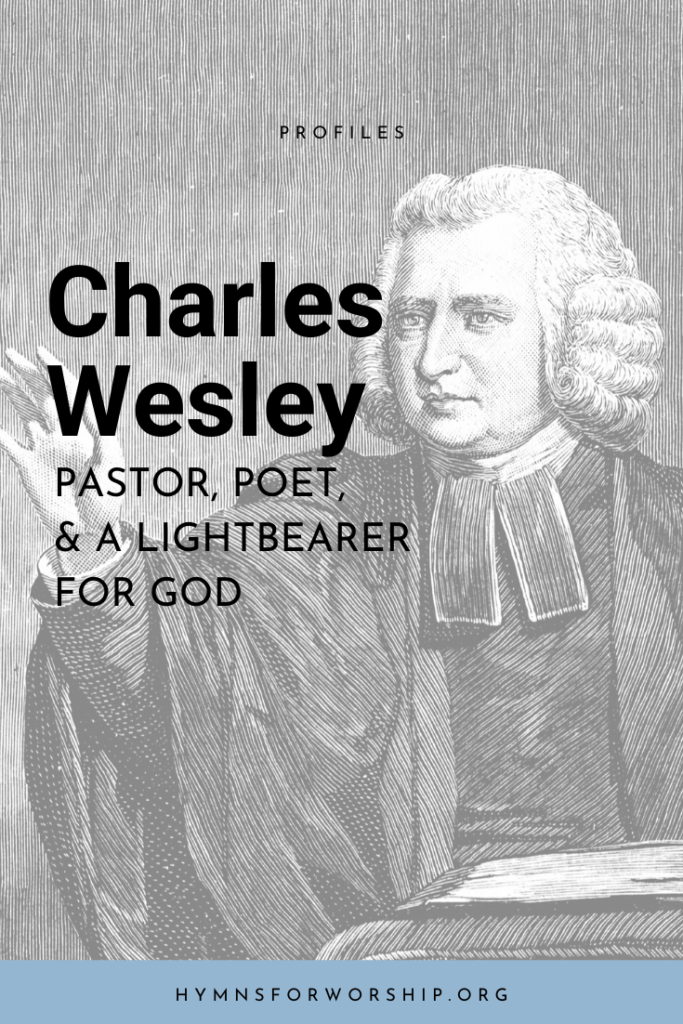
This triumphant hymn of the Resurrection was written by Charles Wesley (1707-1788; see Biographies), and appeared in his Hymns and Sacred Poems, 1739. His brother, John, set a tune for it in his collection of 1742 but for some reason did not include it in the Wesleyan hymnbook until much later; it appeared in Church of England collections by 1780. There were originally 11 stanzas but no “Alleluias.” The use of this word of praise after each line was an ancient Christian practice, but the medieval church forbade its use between Septuagesima and Easter Day (about 70 days).
SDAH’s third stanza is taken from the first half of Wesley’s second, plus the last half of Wesley’s third. The tune WORGAN was so named in the mistaken impression that it was composed by a Dr. J. Worgan, who, however, was not born when the melody was printed in John Walsh’s Lyra Davidica, a collection of sacred songs and hymns made by John Walsh (?-1736) in 1708. It is also named EASTER HYMN. Walsh was a music publisher, born in Ireland, who had established himself in London by 1695, publishing, among others, works by George Frederick Handel.
Stanza:
1 – Revelation 19:1
2 – I Corinthians 15:55
3 – Acts 2:24

Text
1
Christ the Lord is risen today, Alleluia!
Sons of man and angels say, Alleluia!
Raise your joys and triumphs high, Alleluia!
Sing, ye heavens, and earth reply, Alleluia!
2
Lives again our glorious King, Alleluia!
Where, O death, is now thy sting? Alleluia!
Once He died our souls to save, Alleluia!
Where’s thy victory, boasting grave? Alleluia!
3
Love’s redeeming work is done, Alleluia!
Fought the fight, the battle won, Alleluia!
Death in vain forbids Him rise, Alleluia!
Christ has opened paradise, Alleluia!
4
Soar we then where Christ has led, Alleluia!
Following our exalted Head, Alleluia!
Made like Him, like Him we rise, Alleluia!
Ours the cross, the grave, the skies, Alleluia!

Hymn Info
Biblical Reference
(a) Rev 19:1 (b) 1 Cor 15:55 (c) Acts 2:24
Author
Charles Wesley (1707-1788) and others
Year Published
1739
Theme
BIRTH OF JESUS
Hymn Tune
WORGAN
Metrical Number
7.7.7.7. Alleluias
Tune Source
from Lyra Davidica, 1708
Charles was the other Wesley. Alongside his brother John who was considered the main guy behind the founding of Methodism, it was Charles’ hymns that pushed through the envelope of being “just another religion.” His lasting and well-known hymns have captivated Christians all around the world. Through his poetic lines, we are able to sing many hymns with such deep theology.
It was said that he wrote 8,989 hymns. That’s 10 lines of poetry every single day for 50 years. And we are privileged to have sung some of those hymns. Tell me, don’t these hymns ring a bell for you? Continue reading.