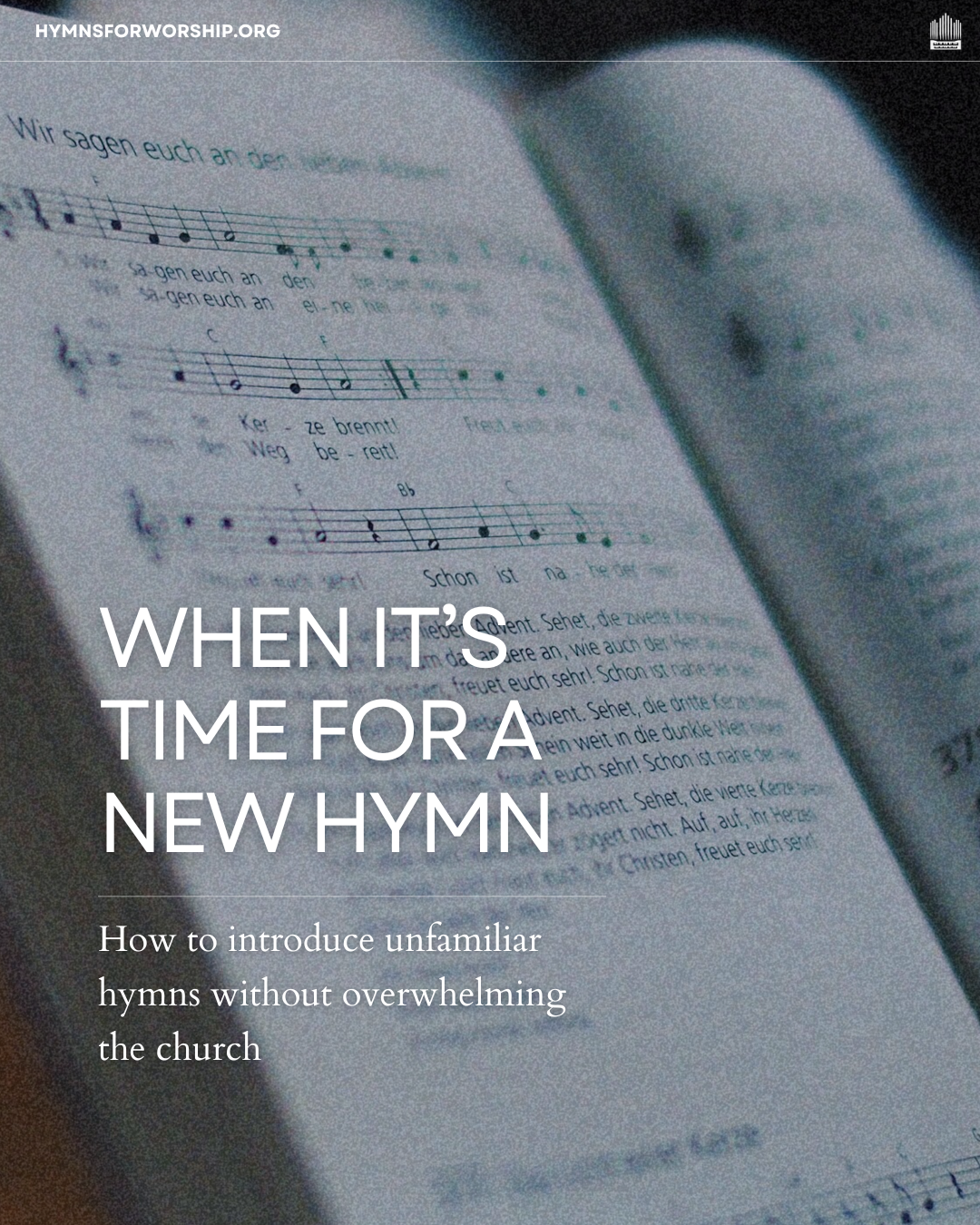
Introducing a new hymn can feel risky for a congregation. Some people love new music. Others prefer the hymns they know by heart. Some get excited. Some get anxious. Some feel exposed, hesitant, or confused.
But new hymns are necessary. They keep worship fresh. They expand the theological vocabulary of the church. They allow younger members to grow, older members to stay engaged, and the entire body to learn new ways of expressing faith.
The key is not whether to introduce new hymns — but how.
Here is a proven, practical, and effective method for introducing new hymns in a Seventh-day Adventist church.
1. Start by playing the hymn as offertory or prelude
Before asking the church to sing a hymn, let them hear it.
This is the simplest step — but one of the most powerful. A congregation is far more willing to sing a new hymn when it already sounds familiar.
Why this works:
- Hearing reduces anxiety
- Familiarity builds confidence
- Members subconsciously learn cadence and rhythm
- The pianist builds comfort and muscle memory
- The melody becomes part of the congregation’s soundscape
Most people in your church won’t say this out loud, but deep down, they avoid new hymns because they feel lost when singing them. Removing that barrier is an act of pastoral care.
Play the hymn once or twice over 1–2 weeks. Let the church “get used to it.”
2. Teach the chorus first (if the hymn has one)
Teaching the entire hymn at once can overwhelm the church. But teaching just the chorus provides an “anchor point.”
How to do it simply:
- Announce gently: “Before we sing, let’s learn the chorus together.”
- Sing it once yourself (or have the pianist play it).
- Invite them to join you on the second round.
- Smile. Encourage. Keep it light.
Now they have confidence. They know at least one section well. Their anxiety drops, their willingness rises, and their voices engage.
Why this works:
- The chorus is usually the most memorable part
- People learn it quickly
- It creates immediate participation
- It makes the full hymn feel more accessible
This method turns hesitation into curiosity — and curiosity into joyful participation.
3. Sing the hymn two weeks in a row
This is crucial. One-time singing doesn’t work.
If you introduce a hymn only once, here’s what happens:
- Half the congregation hesitates through the melody
- The other half listens quietly
- People feel unsure, then forget the tune
- The hymn becomes labeled as “hard” or “unfamiliar”
But when you sing the hymn two weeks in a row, everything changes.
Why two weeks?
- The congregation internalizes the melody quickly
- The second week feels dramatically more confident
- Voices blend better
- The church begins to own the hymn
- It enters the long-term memory of the congregation
Some churches even follow this pattern:
- Week 1 — Opening hymn
- Week 2 — Closing hymn
This keeps it familiar without being repetitive.
4. Use a confident tempo (not too slow!)
Nothing kills a new hymn faster than dragging tempo.
A slow pace turns learning into suffering.
When tempo is too slow:
- pitch drops
- people stop singing
- the melody feels heavy
- the hymn sounds harder than it is
But when the tempo is confident:
- members feel supported
- the energy carries them
- rhythms become easier
- the hymn becomes enjoyable
Leading with confidence tells the congregation:
“You can do this — I believe in you.”
Tempo is not just musical; it’s psychological.
Give Your Church Tools to Learn at Home
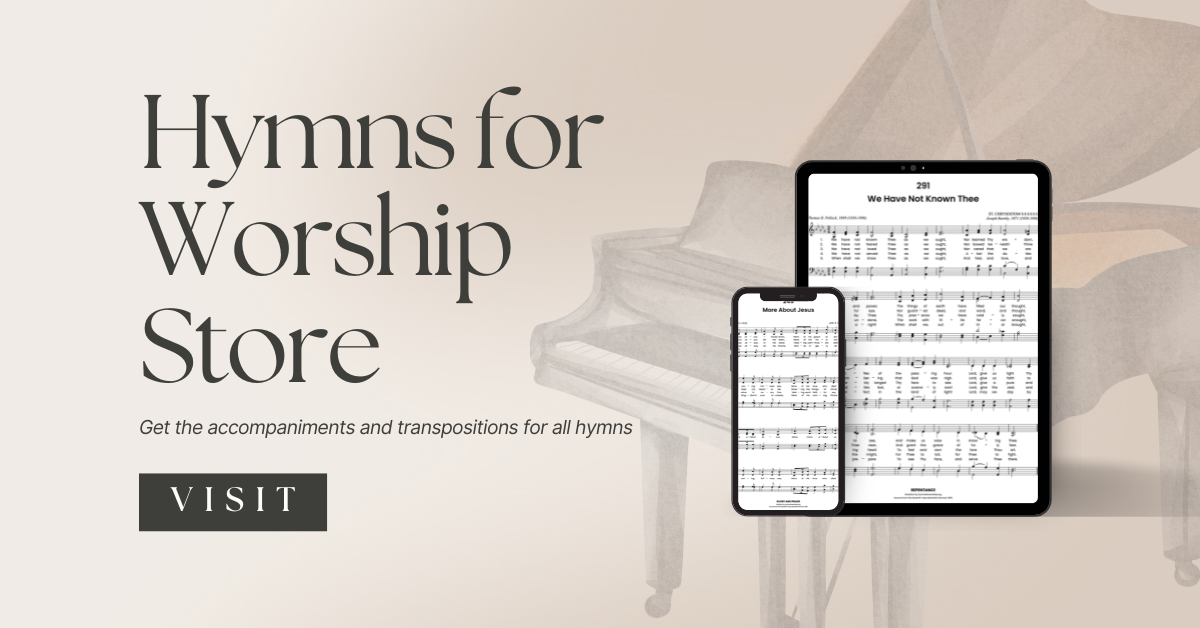
Another meaningful way to help your congregation grow comfortable with new hymns is to equip them with resources they can use outside the church. Many people will learn a hymn more quickly if they can hear it, practice it, or sing it with their families during the week.
You can encourage the congregation to explore Hymns for Worship, where they’ll find:
- clear vocal and piano recordings
- harmony and melody demos
- transpositions
- sheet music
- accompaniments ideal for home worship
When members can listen at home, sing along, or teach the hymn to their children, the new hymn no longer feels unfamiliar — it becomes part of their personal worship life.
Introducing new hymns becomes smoother, faster, and far more joyful when the church has the tools to learn them throughout the week.
More keys to introducing new hymns successfully
A. Choose teachable hymns first
Start with:
- simple melodic lines
- comfortable ranges
- familiar rhythms
- strong, clear choruses
Save complex hymns for later.
B. Pair new hymns with familiar ones
Surround them with beloved hymns so the congregation feels grounded.
C. Give a short introduction
A sentence or two helps immensely:
“This hymn reminds us of Christ’s leadership” or
“This hymn has encouraged believers for many years.”
It frames the experience.
D. Let your pianist practice carefully
A well-supported melody helps the congregation sing confidently.
A hesitant pianist unintentionally communicates, “This is difficult.”
E. Avoid introducing new hymns during major seasonal services
Sabbath School Council, Communion, and Dedication Sabbath are not ideal times.
Use ordinary Sabbaths.
A Pastoral Mindset for New Hymns
The process of teaching a hymn is not a musical task — it is a pastoral one.
You’re not just adding a song.
You are adding a prayer, a promise, a confession of faith to your congregation’s vocabulary.
Done gently, the church grows.
Done forcefully, the church resists.
Introducing new hymns is like introducing new food to a child:
- small bites
- patience
- consistency
- encouragement
And eventually — joy.
A Sample New Hymn Introduction Plan
Week 1 — Prelude: pianist plays the new hymn
Week 2 — Offertory: pianist plays the new hymn again
Week 3 — Teach the chorus + sing as opening hymn
Week 4 — Sing again as closing hymn
Week 5 — Bring it back once more later in the month
By then, the congregation will sing it confidently.
Final Reflection
New hymns are gifts to a congregation. They expand our worship language. They deepen our theology. They refresh our hearts. They prepare us for the challenges ahead. And they honor the God who is constantly giving His people new mercies and new songs.
When introduced thoughtfully and gently, new hymns do not divide — they unite. They become beloved treasures in the church’s shared memory.
Song leaders, you play a sacred role.
You are guiding your congregation into richer, fuller worship — one hymn at a time.
Explore more hymns: